King Edward Memorial Hospital, better known as KEM Hospital, is Mumbai’s largest government hospital. Located in Mumbai and funded by the Municipal Corporation of Greater Mumbai, it serves nearly 1.8 million outpatients and over 85,000 inpatients every year.
KEM has a very big campus, and usually, patients coming to KEM need help with navigation. They want to know “Which OPD do I go to?” , “Which building? Which floor?” , “What time is the doctor available?” , “Who will give me the right answer?”
In a hospital that is over 100 years old, spread across multiple buildings with more than nine entry gates, confusion isn’t the exception. It’s the default. That is the problem KEM set out to solve.
The Scale of the Challenge
KEM handles volume at a scale that few hospitals do.
In August 2023 alone, the hospital recorded over 1.6 lakh OPS visits. That averages to more than 5,000 patients a day. With a bed strength of over 2,200 and heavy inpatient flow, operational pressure stays high.
Here’s what that looks like on the ground:
- One physical helpdesk serving thousands
- Long queues for basic directional questions
- Patients walking back and forth between old OPDs, new OPDs, labs, and wards
- Caregivers are relying on word-of-mouth directions that are often wrong
The outcome was predictable. Missed appointments. Repeated visits. Exhausted staff. Frustrated patients.
The Solution: A Digital Helpdesk That Actually Understands the Campus
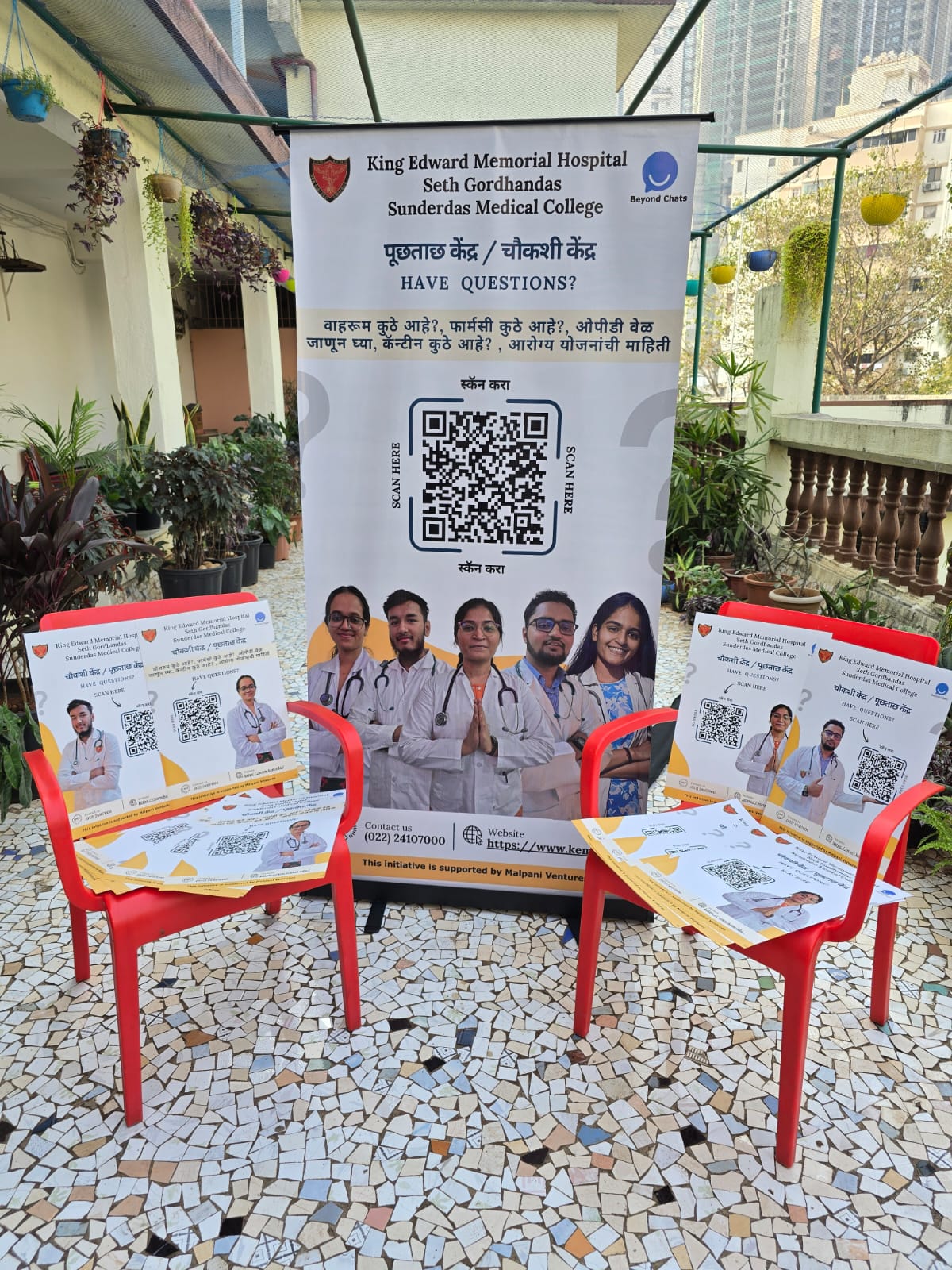
This is where BeyondChats stepped in. An AI-powered chatbot to handle patients’ navigational queries, acting as a digital front desk for the hospital.
The goal was clear: Provide patients with one reliable place to ask questions and receive accurate answers instantly, without waiting in a queue.
The chatbot focused on the biggest friction point that patients faced on a daily basis: campus navigation. But the solution was implemented in a structured manner.
Implementation: How the Chatbot was Rolled Out
Building the Foundation (Nov 1 – Dec 15, 2025)
We focused on solving a particular problem: helping patients find their way across one of India’s largest hospital campuses.
The objective was simple: train a digital helpdesk chatbot that could:
- Answer navigation-related questions
- Guide patients across buildings and floors
- Reduce dependency on word-of-mouth directions
But for that to work, the chatbot needed one thing first: accurate ground-level data.
Execution: How the System was Built
Step 1: Student-Led Campus Mapping
Instead of guessing from blueprints, KEM did something smart. They involved their own students.
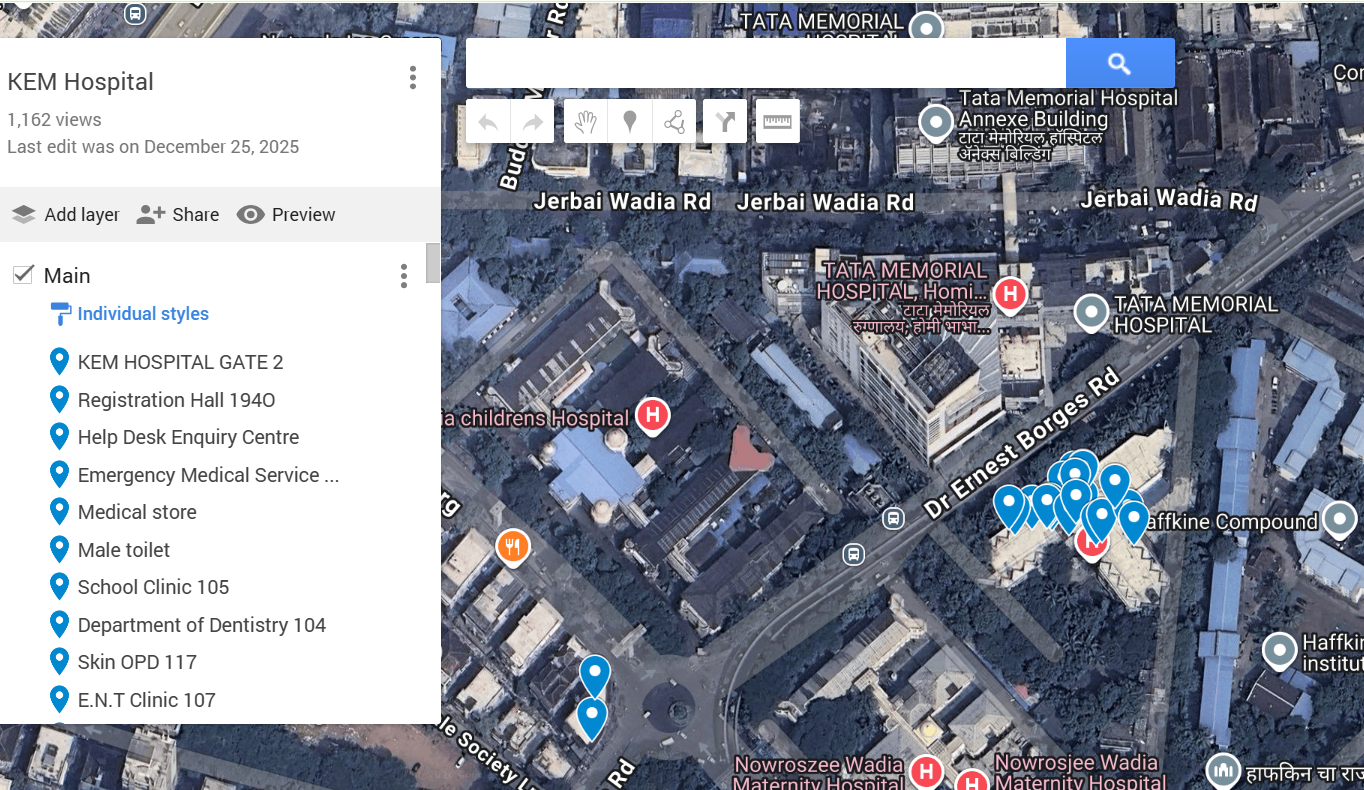
Medical students and interns volunteered to physically walk the campus and map its location by location. OPDs. Labs. Wards. Specialty floors. Unmarked rooms.
Over 350+ locations in and around the campus were identified and documented.
Step 2: Training the Chatbot
BeyondChats took this navigation data and combined it with verified information from KEM’s website. The chatbot was trained to respond only with institution-approved answers.
Once trained, the chatbot was tested rigorously by students and faculty to catch errors, unclear phrasing, or missing links.

Step 3: Go Live
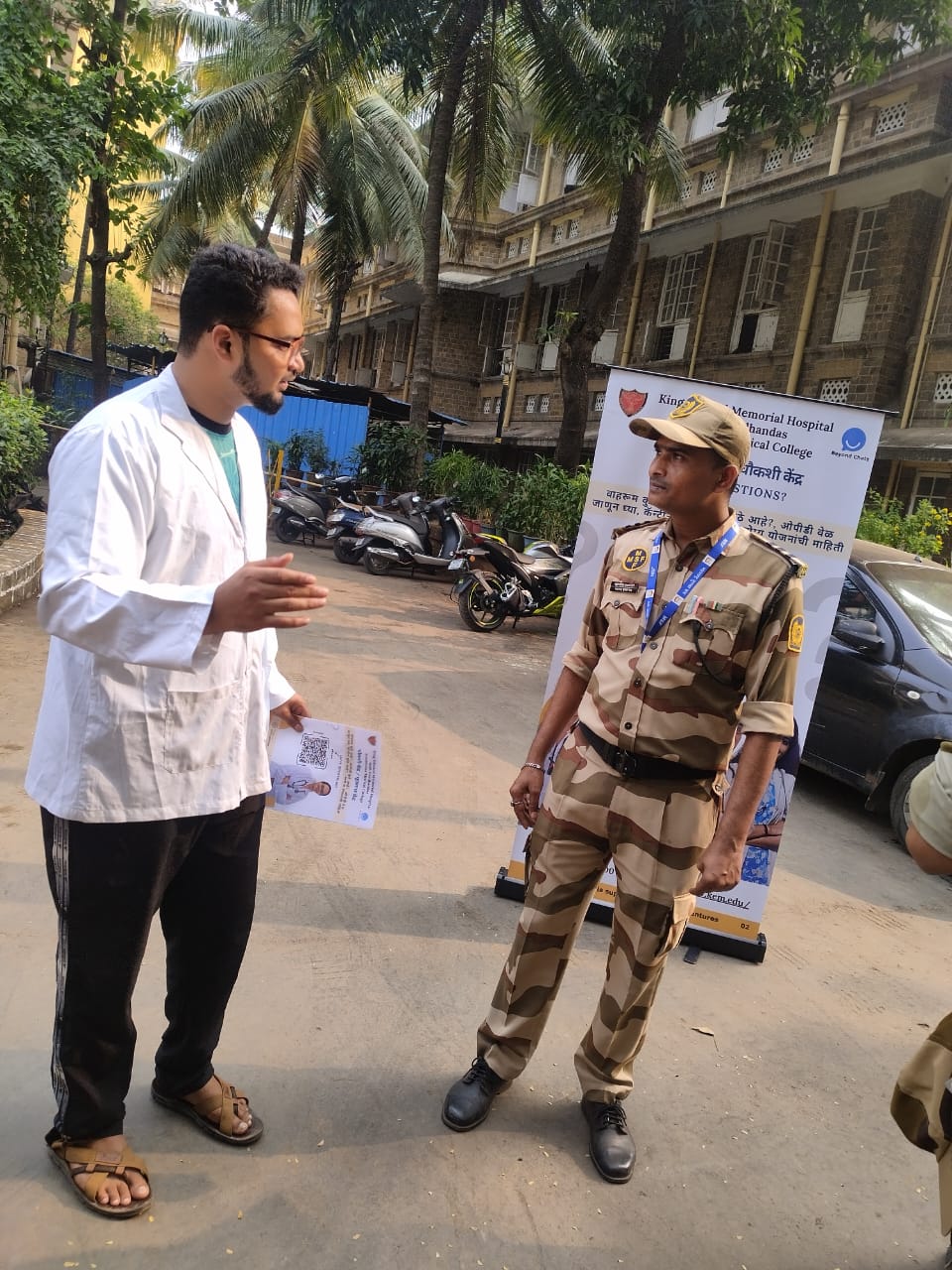
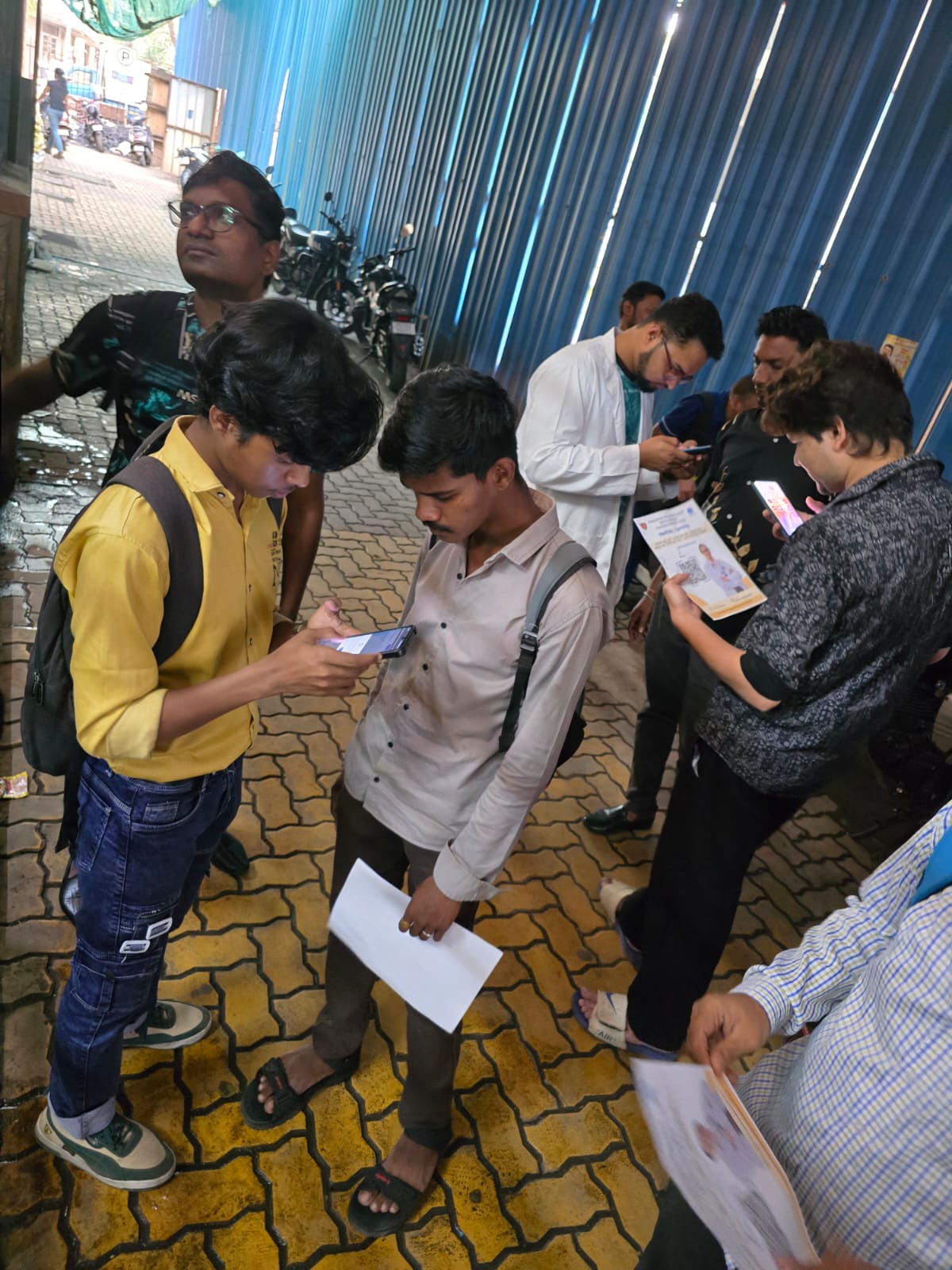
The chatbot was deployed on:
- KEM Hospital’s website
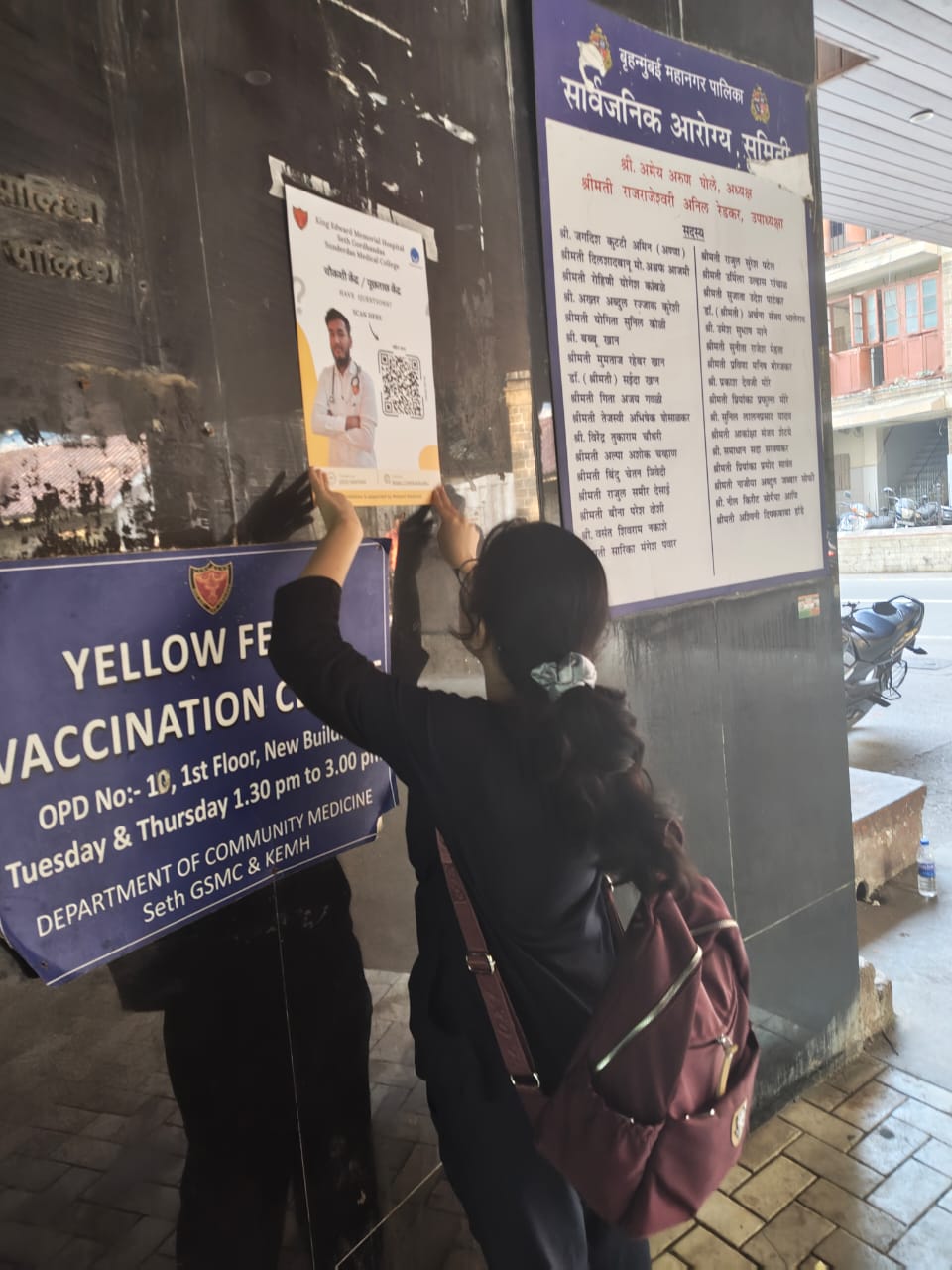
- Digital access points within the campus
Patients could now ask simple questions like:
- Where is the Neurosurgery OPD?
- How do I reach the NICU from the New OPD building?
- Where is the Cytopathology lab?
And get instant, consistent directions.
What the Initial Stage Achieved
By the end of 1.5 months, it delivered concrete outcomes:
- Chatbot is successfully live on KEM’s website
- Complete navigation map created for core hospital areas
- 80–85% of the campus mapped, including OPDs, wards, and specialty floors
- A working digital helpdesk ready for patient use
Most importantly, patients now had a single, reliable source of truth.
What’s Coming Next: (Dec 20 – Feb 28)
The next big initiative is to shift the focus from building infrastructure to driving real usage.
Help 1,500+ patients per month using the chatbot, a small percentage of KEM’s daily volume, but a meaningful adoption milestone.
Why This Actually Matters
This solution worked for KEM Hospital, a place with scale and constant movement.
That matters because if it works there, it can work anywhere, and it proves that:
- Patient experience doesn’t always require massive budgets
- Small digital interventions can remove big friction points
- Navigation is as critical as consultation
Patients feel stressed long before they meet a doctor. But when they know where to go, everything after becomes easier. That’s why adoption is rising, too. Around 21% of healthcare providers already use AI chatbots for patient engagement, and the number keeps growing.
BeyondChats’ Role in the Partnership
BeyondChats did not act like a typical software vendor. Most hospitals do not want to train bots, maintain data, or manage updates. They want outcomes, not dashboards.
This is a fully managed service:
- BeyondChats handles training, updates, and optimization
- No heavy IT dependency for the hospital
- Fast deployment without operational disruption
- Continuous accuracy management based on real queries
Everything becomes BeyondChats’ responsibility. The hospital focuses on care. The chatbot experience is handled end-to-end.
Conclusion
The KEM Hospital and BeyondChats partnership shows what happens when technology is applied with empathy and clarity.
This partnership has been made possible thanks to the generous donation by Malpani Ventures as part of its philanthropic focus on improving access to healthcare.
By addressing everyday patient confusion, the hospital improved overall experience without changing its core medical processes.
Sometimes, improving healthcare doesn’t start in the operating theatre. It starts at the entrance.
FAQs
1. What problem did the KEM chatbot solve first?
Campus navigation confusion for patients and caregivers.
2. Who helped build the navigation system?
KEM’s medical students and interns mapped the campus with guidance from faculty.
3. Is the chatbot already live?
Yes, it is live on KEM’s website after successful Phase 1 testing.
4. How complete is the campus mapping?
Around 80–85% of core medical areas are mapped, with peripheral zones planned next.
5. What is the goal of Phase 2?
Drive real patient adoption, collect feedback, and refine accuracy so the chatbot becomes a daily-use digital helpdesk.